


What Plumbing Problems Are Most Common in Older Pleasant Hill Homes in 2026?
Older Pleasant Hill, CA, homes carry decades of history inside their walls, and in 2026 many of those systems are reaching the end of their service lives. This article covers the five problems most commonly found in older Pleasant Hill properties, the warning signs homeowners can spot themselves, and when a job requires a licensed professional rather than a DIY fix.
Why Older Pleasant Hill Homes Face Unique Challenges
Pleasant Hill is a compact Contra Costa community developed primarily in the 1950s and 1960s. Neighborhoods like Gregory Gardens, Poets Corner, and the areas along Taylor Boulevard and Boyd Road are filled with ranch homes and split-levels built during that era. That tight construction window means an unusually large share of local housing stock is hitting the same system-failure milestones at the same time.
The area's mature tree canopy and clay-rich ground accelerate wear on water supply lines, sewer laterals, fixtures, and water heaters alike.
What Are the Five Most Common Plumbing Problems in Older Pleasant Hill Homes?
Failing Galvanized Steel Supply Pipes
Most of Pleasant Hill's mid-century homes were built with galvanized steel pipe that is now 60 to 70 years old. Galvanized pipe corrodes from the inside out over decades. Watch for discolored water, low water pressure, and visible exterior corrosion. Once interior rust scale becomes severe, cleaning alone will not restore adequate flow.
Clay Sewer Laterals and Root Intrusion
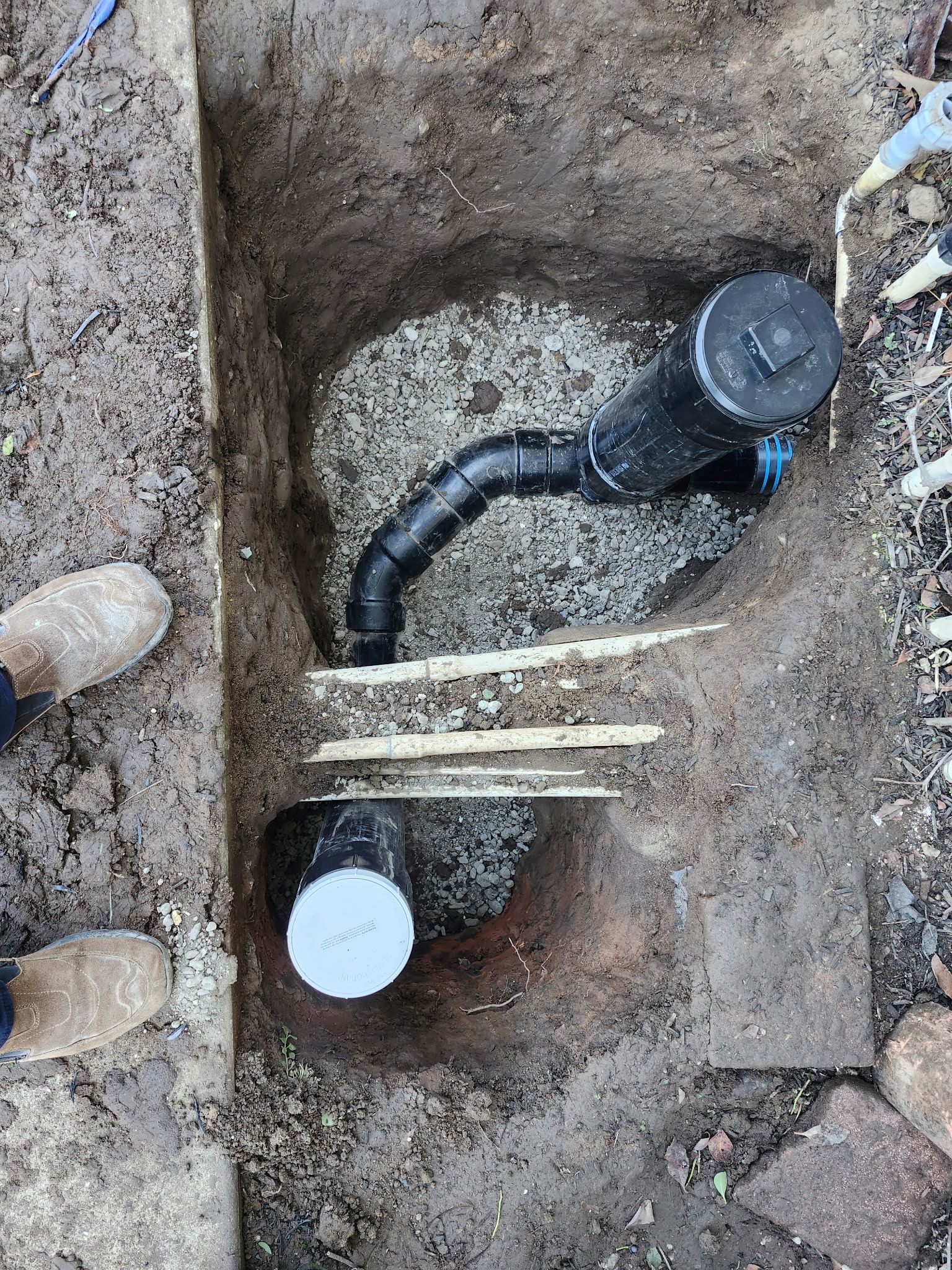
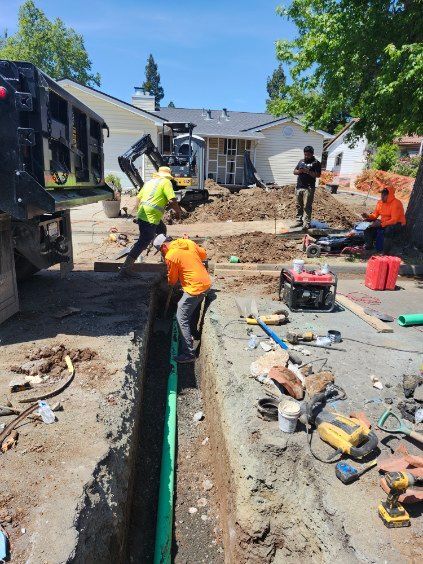
Many homes throughout Pleasant Hill still rely on aging clay, cast-iron, or Orangeburg sewer pipes. Although clay resists corrosion, individual pipe sections shift over time, creating separated joints that allow tree roots to enter the line. The neighborhood's mature tree canopy adds character, but established root systems cause serious drain line problems. Recurring slow drains or sewage odors in the yard are signs worth investigating quickly.
Outdated Fixtures and Aging Supply Valves
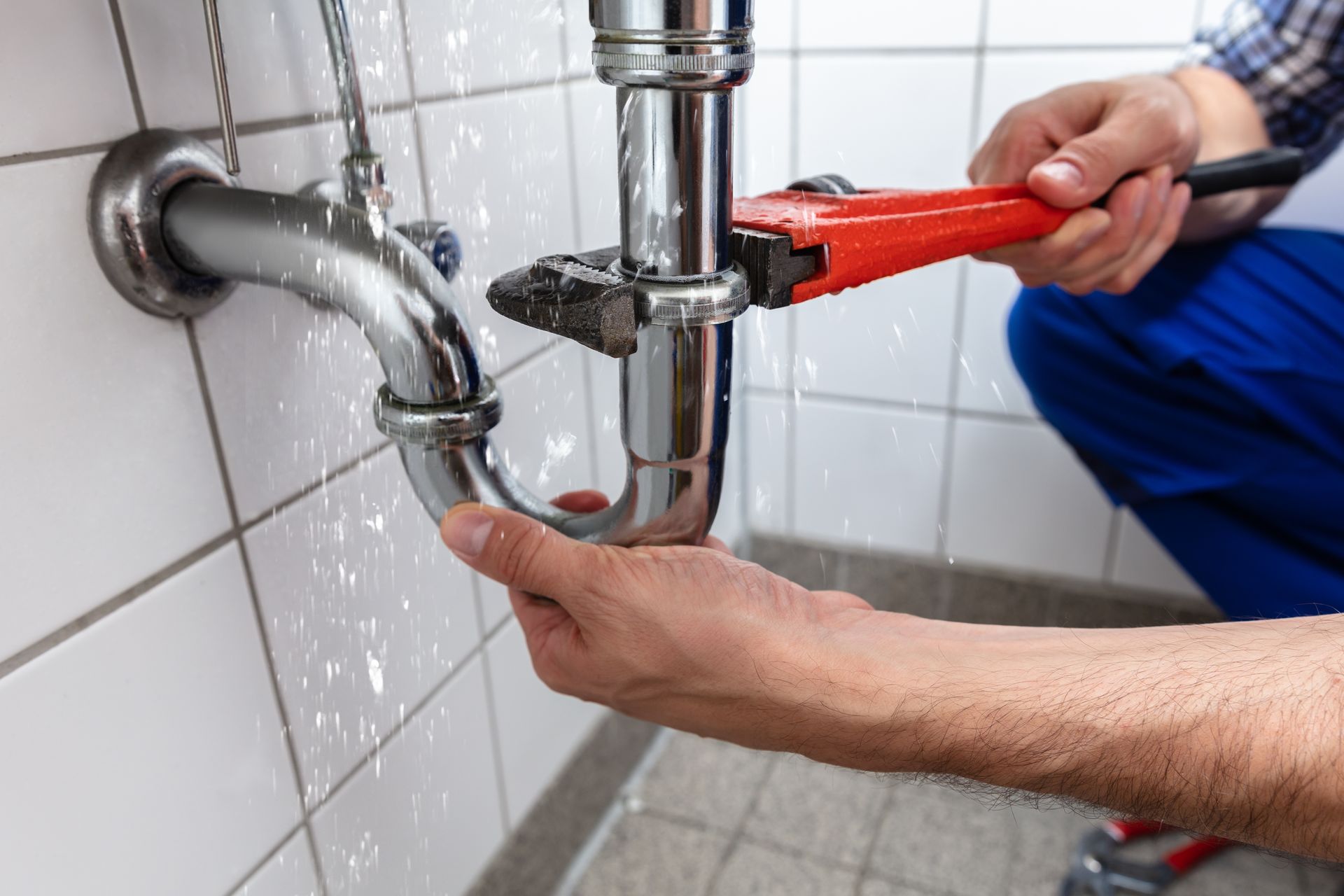
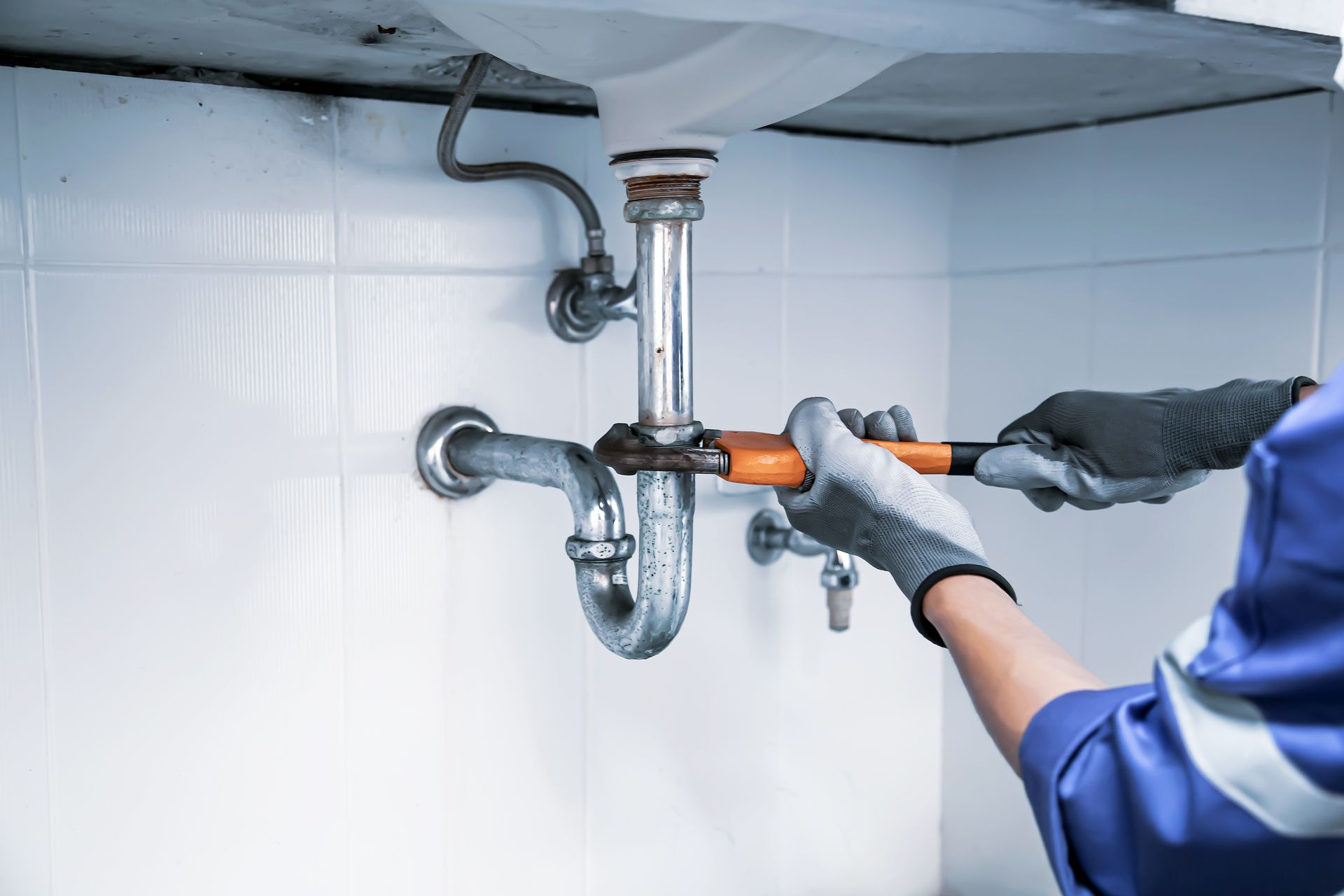
Fixtures installed in the 1960s and 1970s were not designed for today's efficiency standards. A dripping faucet can waste a substantial amount of water over time, increasing utility bills and causing potential water damage. Shutoff valves on older supply lines can also seize or fail when turned, turning a simple repair into a much larger project. Replacing aging fixtures with modern, water-efficient models reduces both waste and future maintenance calls.
Water Heater Age and Sediment Buildup
Older homes often have water heaters well past their expected service life. As a unit ages, it struggles to meet the household's hot water needs and becomes less energy-efficient, raising utility bills. Water heaters should be drained and inspected at least once per year to remove built-up sediment. Rumbling sounds during heating cycles, rusty water at the hot tap, or inconsistent temperatures are common signs a water heater needs attention.
Soil Movement and Slab Stress
The region's clay-heavy soil expands in winter rains and contracts in summer heat, cracking older sewer pipes over time. Underground pipes beneath slabs are particularly vulnerable, and leaks in these locations can be difficult to detect before structural damage occurs.
DIY vs. Calling a Pro: Where Is the Line?
Homeowners can safely handle small tasks: clearing a minor drain clog with a hand snake, replacing a showerhead, or swapping out a faucet aerator. However, call a licensed plumber when you notice any of the following:
- Rust-colored or discolored water from multiple fixtures throughout the home.
- Recurring slow drains or backups in more than one fixture at the same time.
- Gurgling sounds from toilets when other drains are used.
- Water heater output that has noticeably declined or stopped working.
- Wet spots in the yard between the house and the street with no irrigation source.
A Note on Permits for Contra Costa County Homeowners
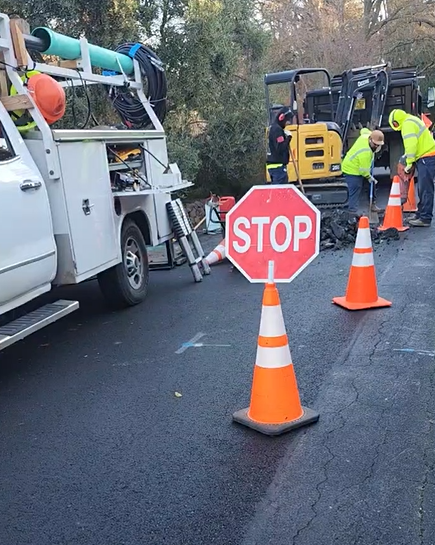
Major jobs such as new systems, rerouting, and replacing major stacks typically require a plumbing permit in Contra Costa County. Routine work like swapping a faucet or clearing a single clog generally does not, but the line moves quickly once a project involves opening walls, altering pipe routing, or replacing a water heater. For sewer lateral work specifically, a separate sewer permit issued by Central Contra Costa Sanitary District (Central San) is required before any exterior sewer work begins, including trenching and excavating. Permitted work is inspected, which means the repair is documented and verified rather than simply covered back up. Unpermitted sewer repairs can create serious complications when selling a property, since buyers, lenders, and inspectors frequently ask for permit history on any major plumbing work. A licensed local plumber will usually handle the permit process as part of the job, so always confirm permit requirements before work starts.
Ready to Get Your Older Home Checked Out?
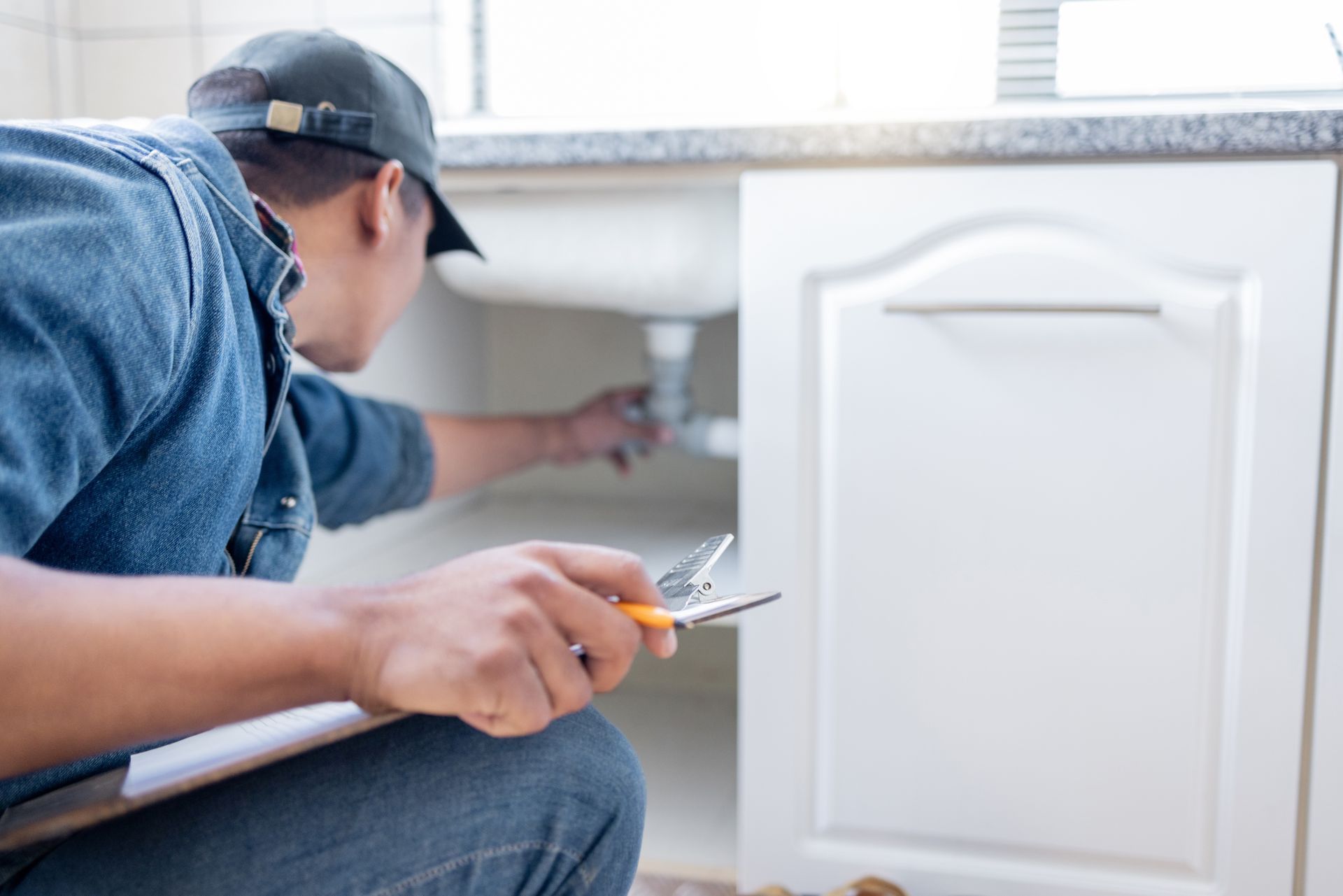
If your home was built before 1980 and you have not had a professional inspection, now is a smart time to schedule one. Early detection of galvanized pipe corrosion, clay lateral cracks, or root intrusion can prevent a costly emergency down the road.
Echo Plumbing & Rooter serves Pleasant Hill, CA, and surrounding Contra Costa communities with drain cleaning, sewer lateral inspection and replacement, water heater services, and full repair work. The team has over 17 years of hands-on experience with the aging systems found in the area's mid-century homes.
Request a free quote or call
(925) 291-6119 to schedule a
plumbing inspection for your home today.